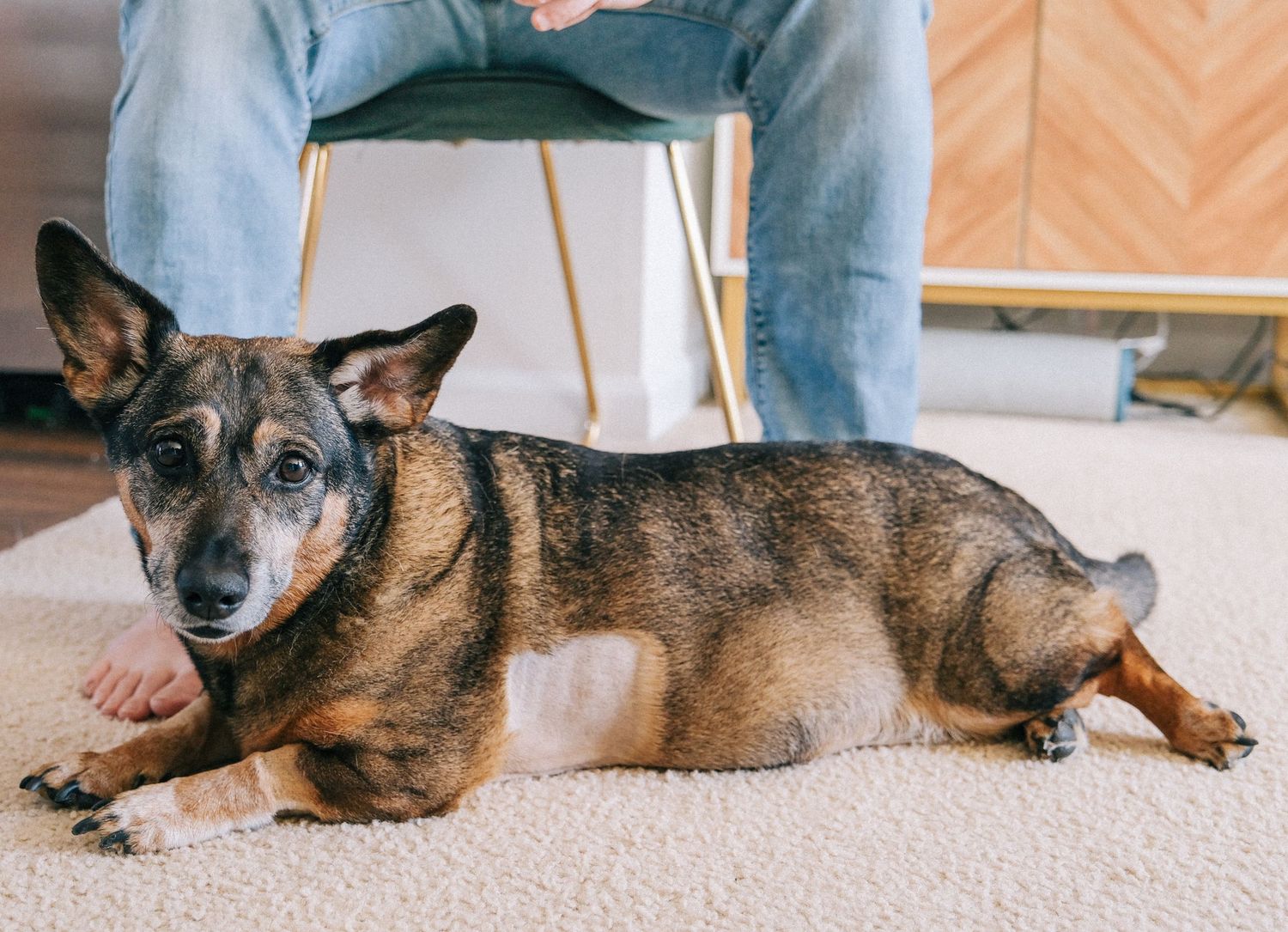
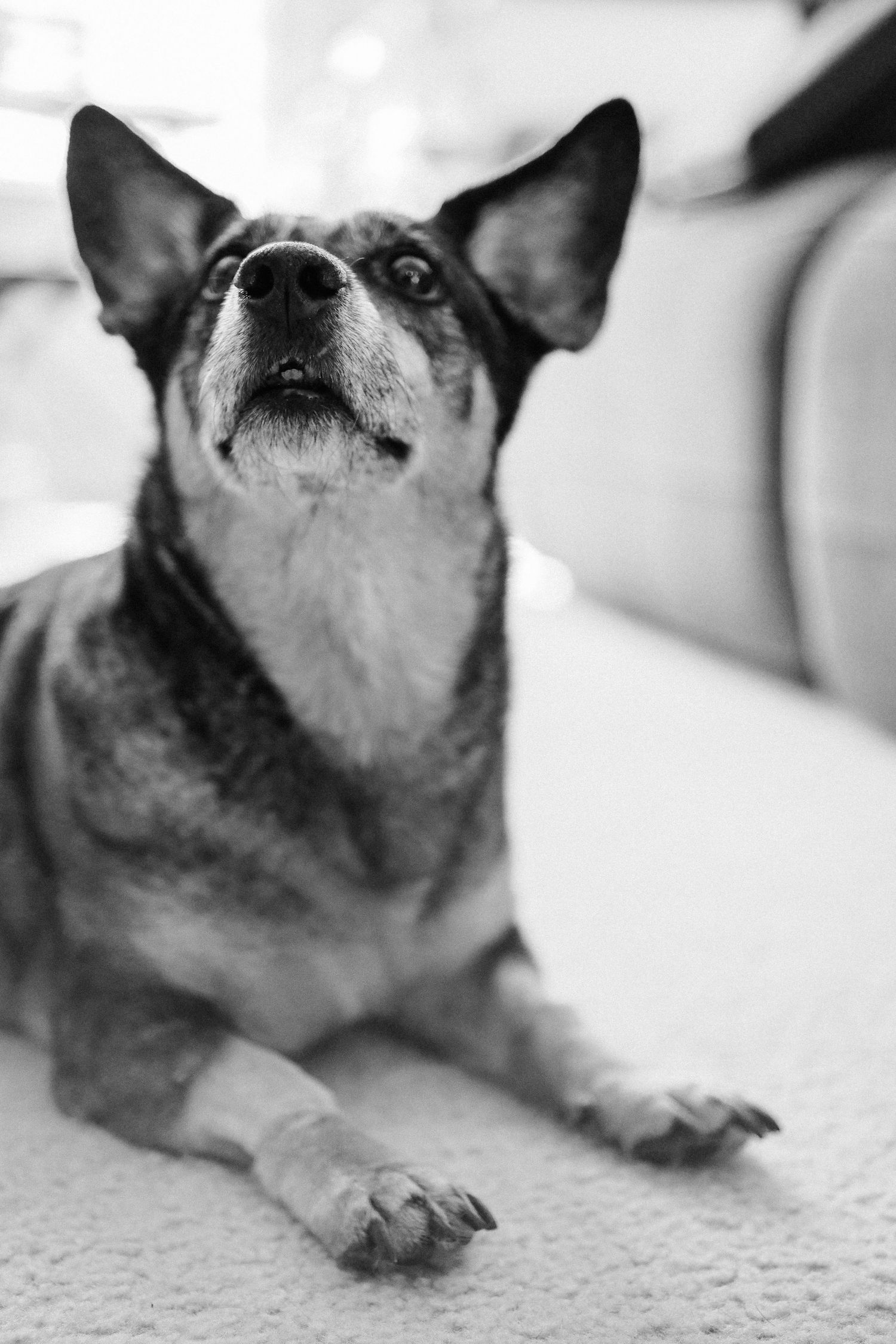
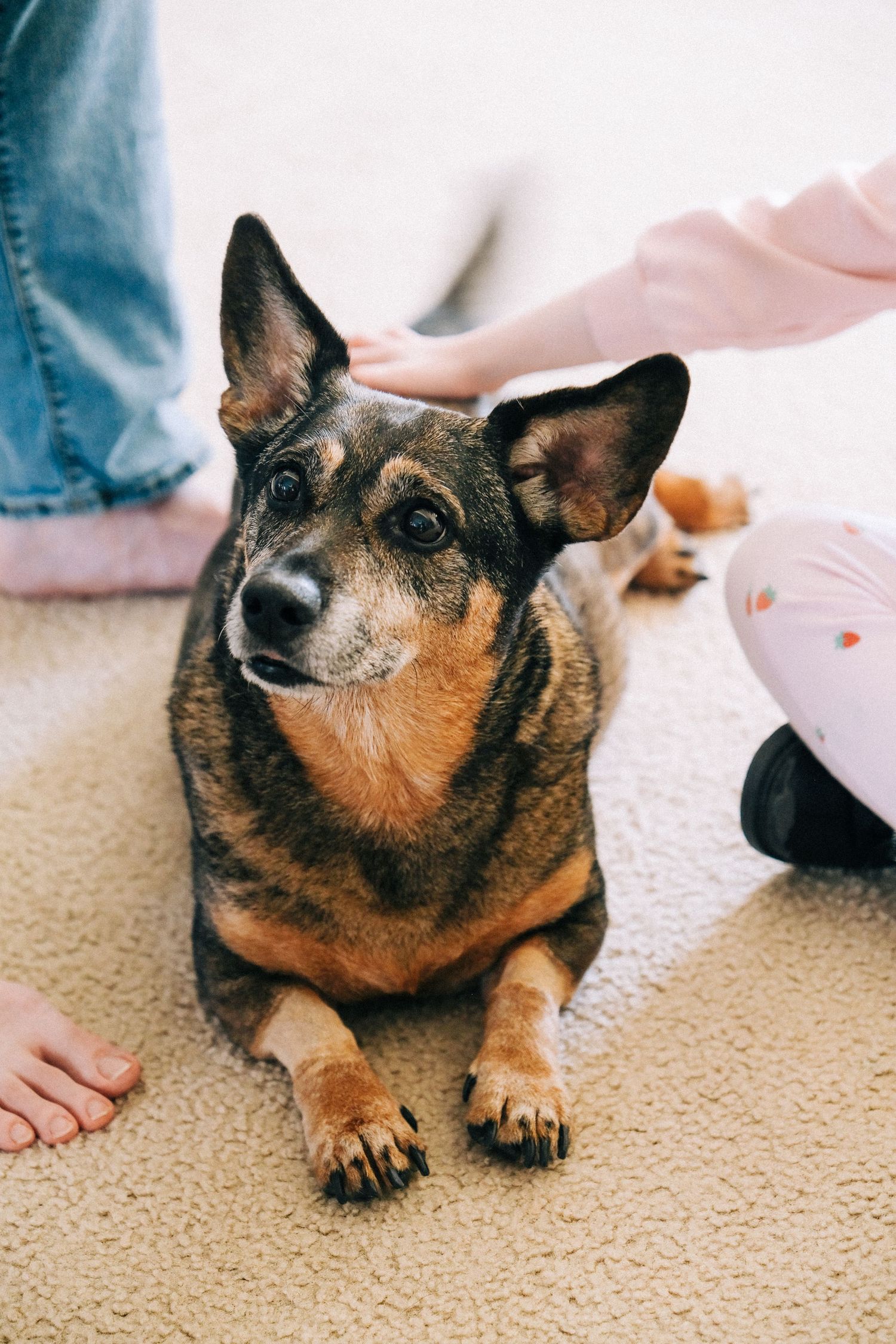
A gentle way to photograph love, without asking more than they can give
“I sent a piece of me with you, a piece I both know and intend never to get back.”
(Chloe’s person, written after her passing)
There are sessions where the goal is a perfect portrait.
This is not that kind of session.
This kind of session is about comfort, connection, and preserving what is real in the place your pet feels safest, home. When a pet is elderly or nearing the end of life, the most meaningful photographs rarely come from posing. They come from presence. They come from the quiet routines that shaped everyday life.
The intention
Before I ever lift my camera, I set one intention that guides every choice.
Comfort first. Connection second. Memory always.
That means we move slowly. We take breaks whenever needed. We never ask a pet to do something that looks difficult. If they want to rest, we let them rest. If they want to shift positions, we follow gently. The goal is not to extract photographs from a hard day. The goal is to protect dignity and document love honestly.
Why home is almost always the best choice
Home is not just a background. Home is part of the story.
Home holds the routines that make grief feel so loud later. A familiar corner of the couch. A blanket that smells like safety. The place they always waited. The door they nudged. The window they watched.
Her person wrote about that emptiness in a way that is painfully clear.
“My morning walks will be lonelier and my evening routines emptier without you there.”
When people ask why I recommend an at home session first, this is why. Because home is where the relationship actually lived, and home is where the small details still exist in the frame.
What a comfort first session looks like
Most people imagine a session needs constant movement or a lot of variety. For an elderly or unwell pet, the best sessions work differently. We prioritize the most important frames early, then we coast with the pet.
Arrival and settling
The first few minutes are quiet. I move slowly and speak softly. I sit low and let your pet decide how close they want to be. I take a few wide frames to establish the space, get an understanding of the lighting, and the feeling of home.
Why it matters: A calm start keeps your pet’s nervous system steady. They won't spend their energy early in the session.
Easy connection frames
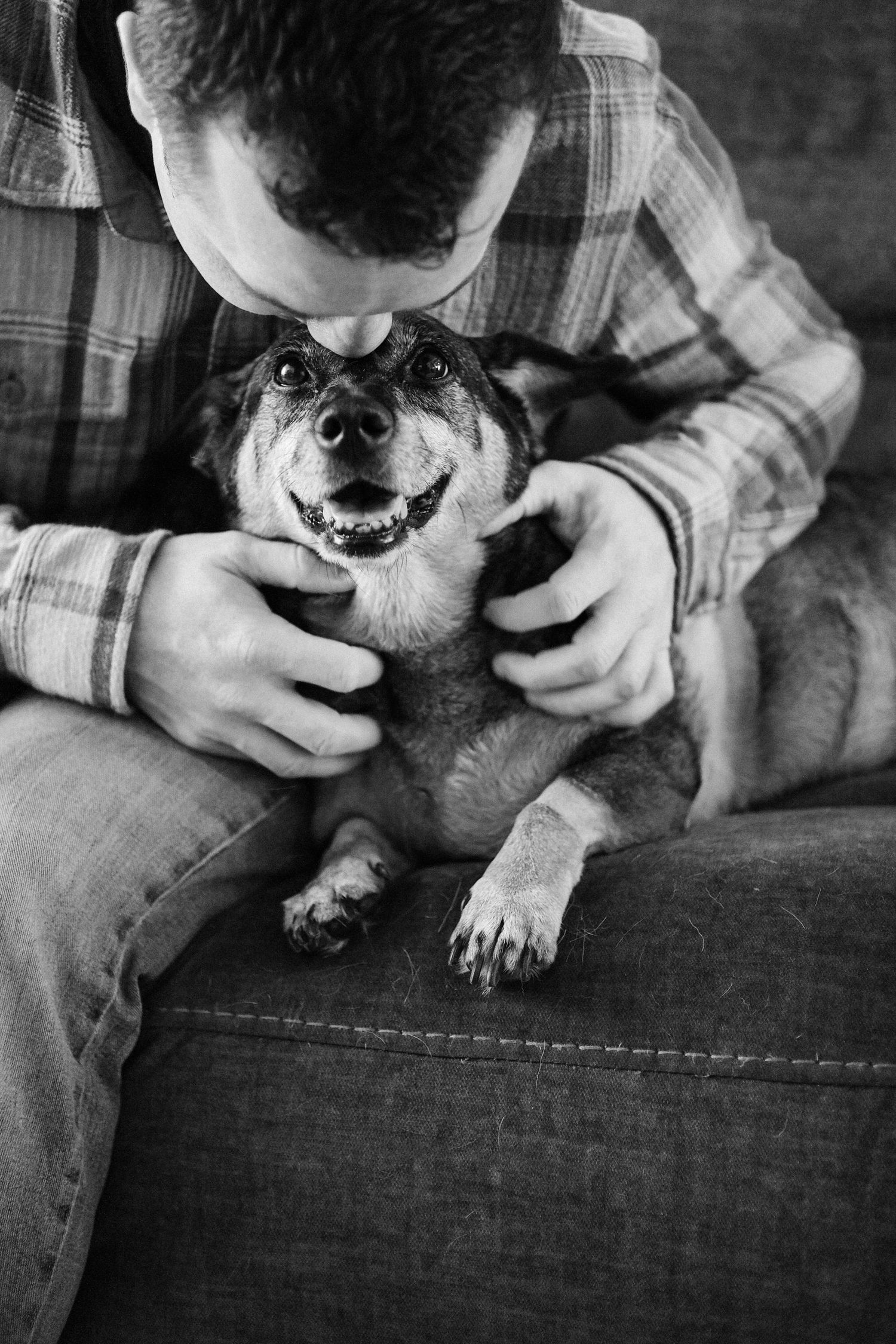
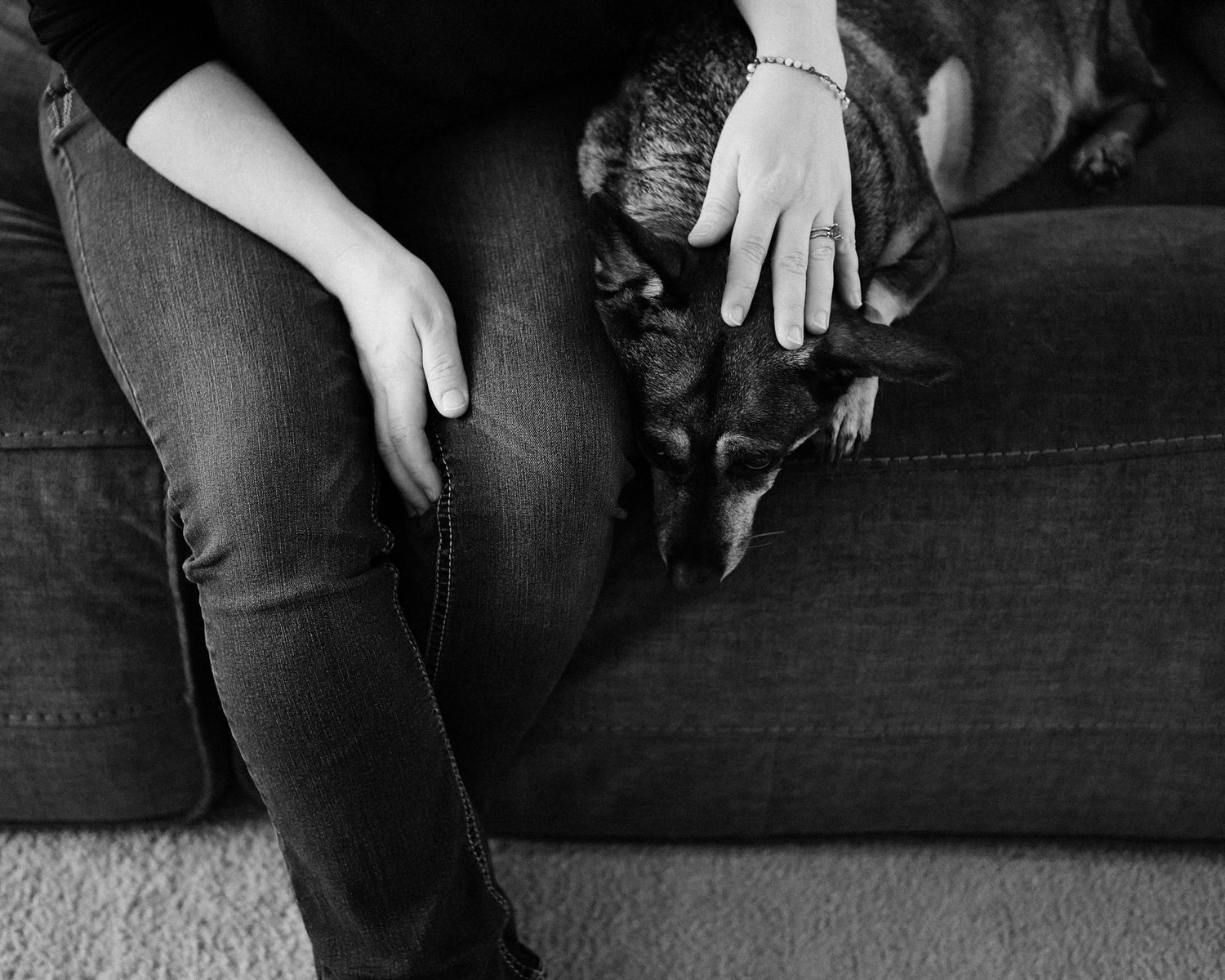
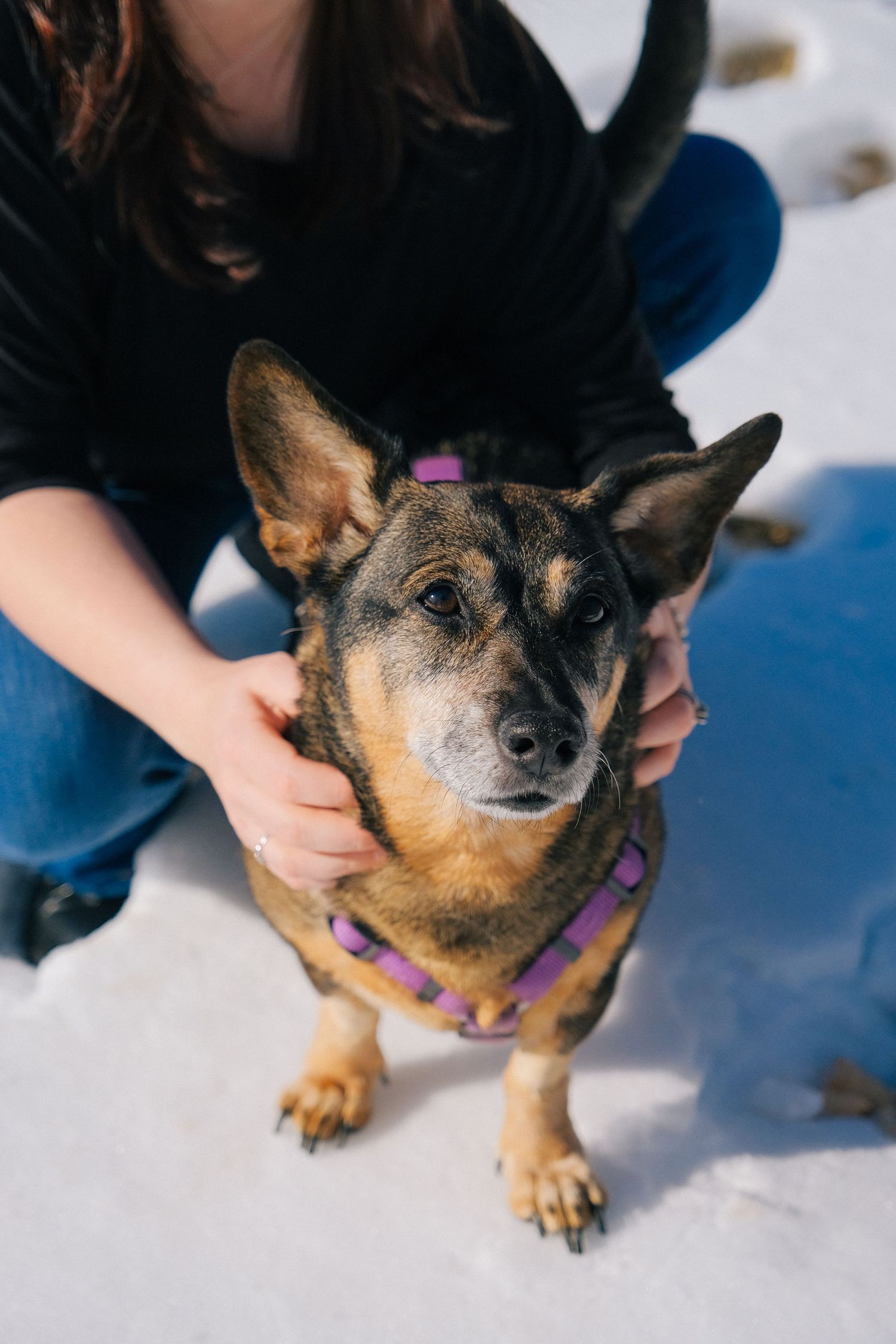
We start with the photographs families return to again and again. Hands resting on fur. Head on lap. Cheek close to muzzle. The owner looking at their pet, not at the camera.
There is a line in his writing that keeps looping in my mind when I think about what these photos are really trying to hold.
“I will never get to scratch that spot behind your ears…”
Those small, specific gestures are love made visible. They are also the first things grief steals, because they were so ordinary that you never thought they could end.
Timeless portraits, done gently
If the pet has the energy, we create a clean, simple portrait. Often that portrait happens lying down, and that is more than okay. Lying down portraits can be the most truthful, and the most beautiful. We keep backgrounds simple and we avoid unnecessary repositioning. We let the pet stay comfortable, and we meet them where they are.
One normal routine
Instead of inventing something new, we document what already belongs to them. Window light cuddles. A slow walk to the porch, then rest. A nap on a favorite blanket. A treat and gentle praise. The routine is the story.
Her person wrote about the everyday life that will never repeat, and it is exactly why I prioritize routines over complicated setups.
“There will be no more howls together, no more shredded tennis balls…”
The details feel small until they are gone.
Details that become priceless later
Near the end, we focus on the quiet frames that carry weight over time. Paws in hands. Whiskers. A greying muzzle. Collar and tags. A favorite toy nearby. The textures and objects that can bring someone back to the feeling of their pet, not just the look of them.
“Its absence ensures that I will always remember you, the big moments, and most importantly, the small.”
That is the heart of it. The small moments.
What I want families to know before booking
- You do not need your pet to cooperate. They do not need to sit, stand, or look at the camera.
- You do not need a perfect house. We only need one small area with good light.
- You do not need a long session. Short and calm is usually better than long and exhausting.
You are also allowed to feel however you feel. Some people cry. Some people laugh. Many do both. There is no right way to be in this moment. My role is to guide gently and create space for what is real.
What you receive afterward
After the session, I curate the gallery with care. I focus on fewer, stronger images rather than volume. I keep edits true to life and respectful of the moment. I deliver the story in a way that feels steady, not overwhelming.
If you want something tangible, a framed print or a small album can matter more than people expect. A physical piece has a different kind of permanence when grief arrives. You can print directly from the gallery without visiting a print shop, and I can assist you with that if needed.
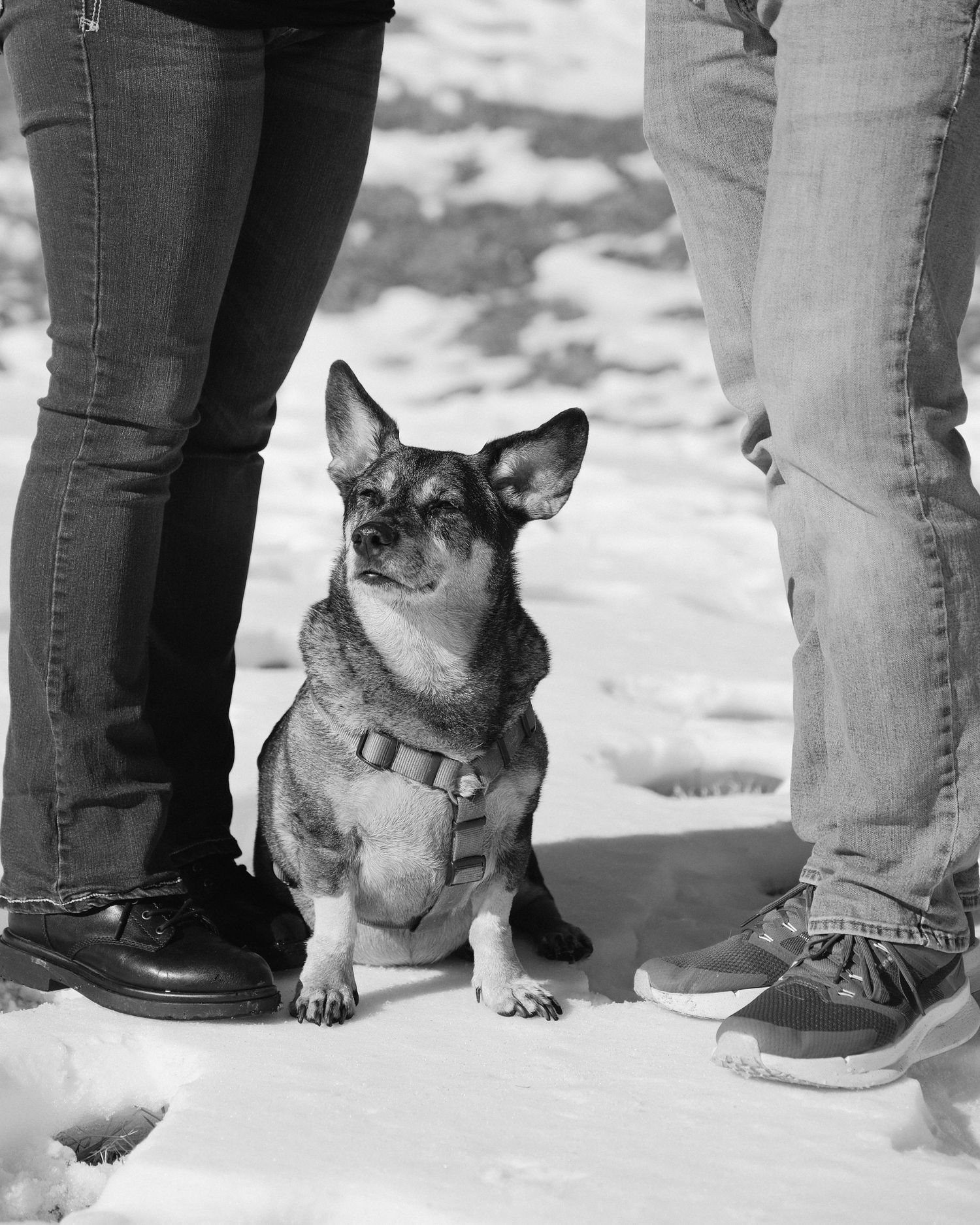
“I miss you, Chloe.”
This is why I photograph these sessions the way I do. Not for perfect images. For honest ones. For the small moments that become everything later.